
Trezor.io/Start® — Starting Up Your Device || Trezor®
Begin securely with Trezor.io/start. Learn the essential steps to configure your Trezor hardware wallet, set up Trezor Suite, protect your recovery details, and manage crypto.
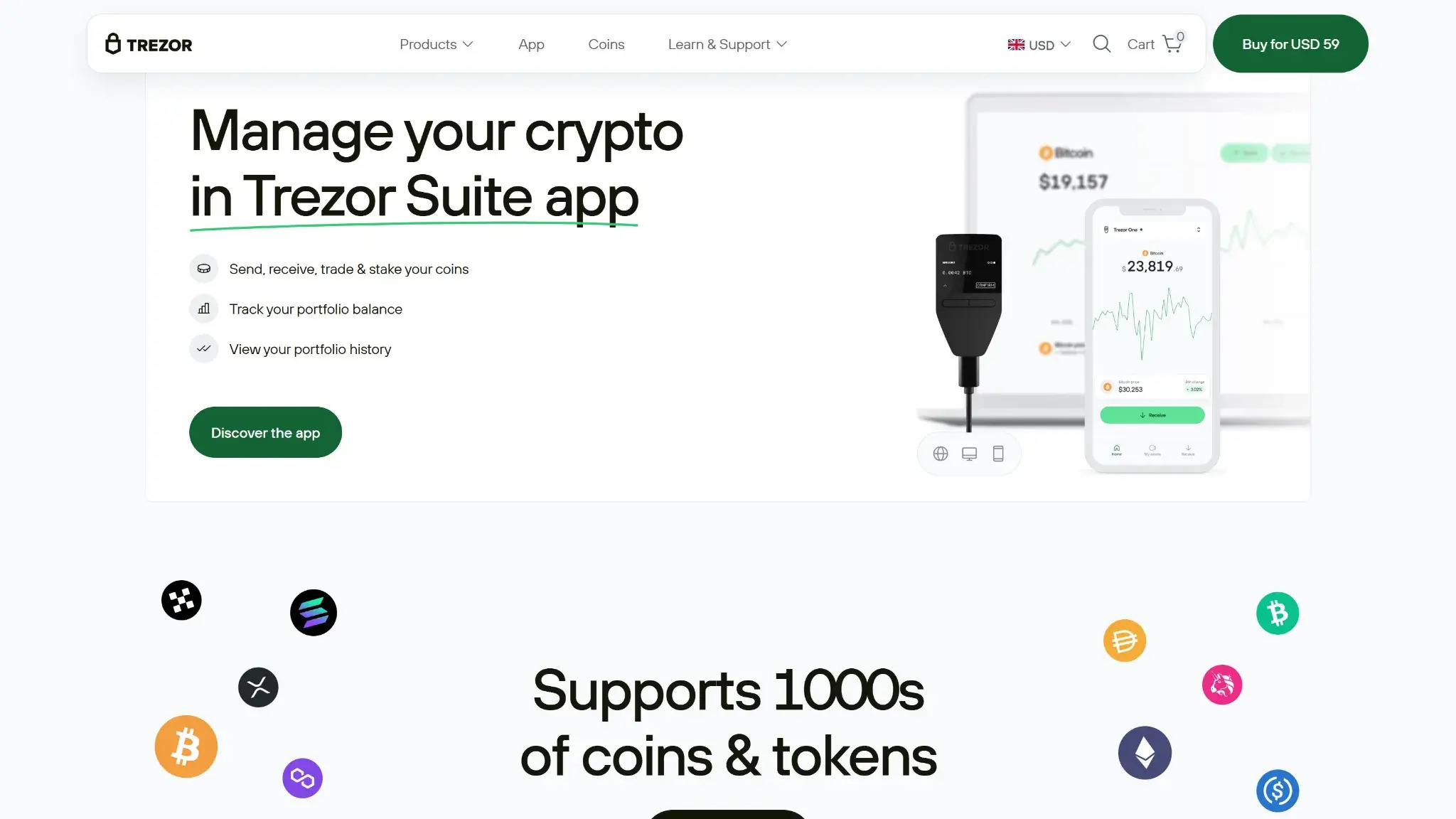
Trezor.io/start – Learn the Basics of Trezor Wallet Setup
Cryptocurrency management becomes easier when users understand both their hardware and the security practices surrounding it. Trezor.io/start offers a useful entry point for people beginning with a Trezor hardware wallet. From preparing the device to learning about recovery information, each part of the setup process deserves careful attention.
Why the Setup Process Matters
A hardware wallet is designed to give users greater control over their cryptocurrency accounts. However, the benefits of using dedicated hardware depend on responsible setup and safe handling.
Beginning with official Trezor resources helps users follow appropriate instructions instead of relying on potentially outdated or misleading third-party guides.
Check the Source First
Before starting the installation or configuration process, verify that the website you are visiting is an official Trezor resource. Fake cryptocurrency pages can be designed to collect sensitive information.
Never enter wallet credentials or recovery information simply because a website appears professional. Check the address and use trusted official resources.
Configure Your Wallet Carefully
After connecting the device, follow the setup instructions displayed for your particular wallet. You may be guided through creating a wallet, configuring security features, or restoring an existing wallet.
Take time to understand each stage. If an instruction seems unusual or asks for information you were not expecting to provide, stop and verify it through official support resources.
Understand Recovery Protection
A recovery seed is an essential security concept for hardware-wallet users. It can allow wallet recovery under appropriate circumstances, which means it should be treated as confidential.
Write down the recovery information carefully and store it in a secure offline location. Never send the words to another person or enter them into an unfamiliar website. Your recovery information should remain under your control.
Make Transactions Carefully
After completing setup, learn the transaction process before transferring valuable assets. Check the recipient address and transaction amount carefully.
Because many cryptocurrency transfers cannot simply be reversed, reviewing information before confirmation is an important habit.
Watch for Phishing Attempts
Scammers can use fake support messages, websites, emails, and advertisements to make users reveal confidential wallet information. Be suspicious of urgent requests and promises of immediate account recovery.
No legitimate setup process should require you to casually disclose your private recovery information.
FAQ
Q1. What is the purpose of Trezor.io/start?
It provides a starting point for official Trezor wallet setup and related guidance.
Q2. Should I trust unsolicited wallet-support messages?
Be cautious. Verify support information through official Trezor resources instead of following unexpected links.
Q3. Is my recovery seed confidential?
Yes. Treat it as highly sensitive wallet information and never share it.
Q4. What is a good habit before confirming a transaction?
Carefully review the address, amount, and other transaction details shown by your wallet.
Conclusion
Setting up a Trezor wallet is an opportunity to establish strong security habits from the beginning. Trezor.io/start provides a useful starting point, while careful website verification, recovery-seed protection, and transaction checking can help users manage their digital assets more responsibly.
Updated about 5 hours ago